The Wolf Doesn't Create Weak Decisions. He Exposes Them.
Three pigs. The same starting point. The same environment. The same objective. Only one built an asset capable of surviving market pressure.
The first pig optimized for speed. Low investment, fast execution, immediate gratification. On paper, the decision looked efficient. Why allocate more resources when the minimum viable solution appears to accomplish the same objective?
It's the same logic organizations use every day. We'll have someone on the team take the photos. We'll use our phones. We don't need premium assets right now. The decision feels financially responsible — until the market tests it.
The second pig invested just enough to appear more credible. Better than the first, but not good enough to endure uncertainty. This is where most organizations actually operate. They don't choose the cheapest option — they choose the option that creates the appearance of quality without increasing the long-term value of the asset. The optics improve. The infrastructure doesn't.
The third pig understood something the other two didn't: the objective was never just to complete the project. It was to create an asset that would keep producing value long after construction ended. That required greater investment, more patience, higher standards, and slower, more deliberate execution — because durability compounds.
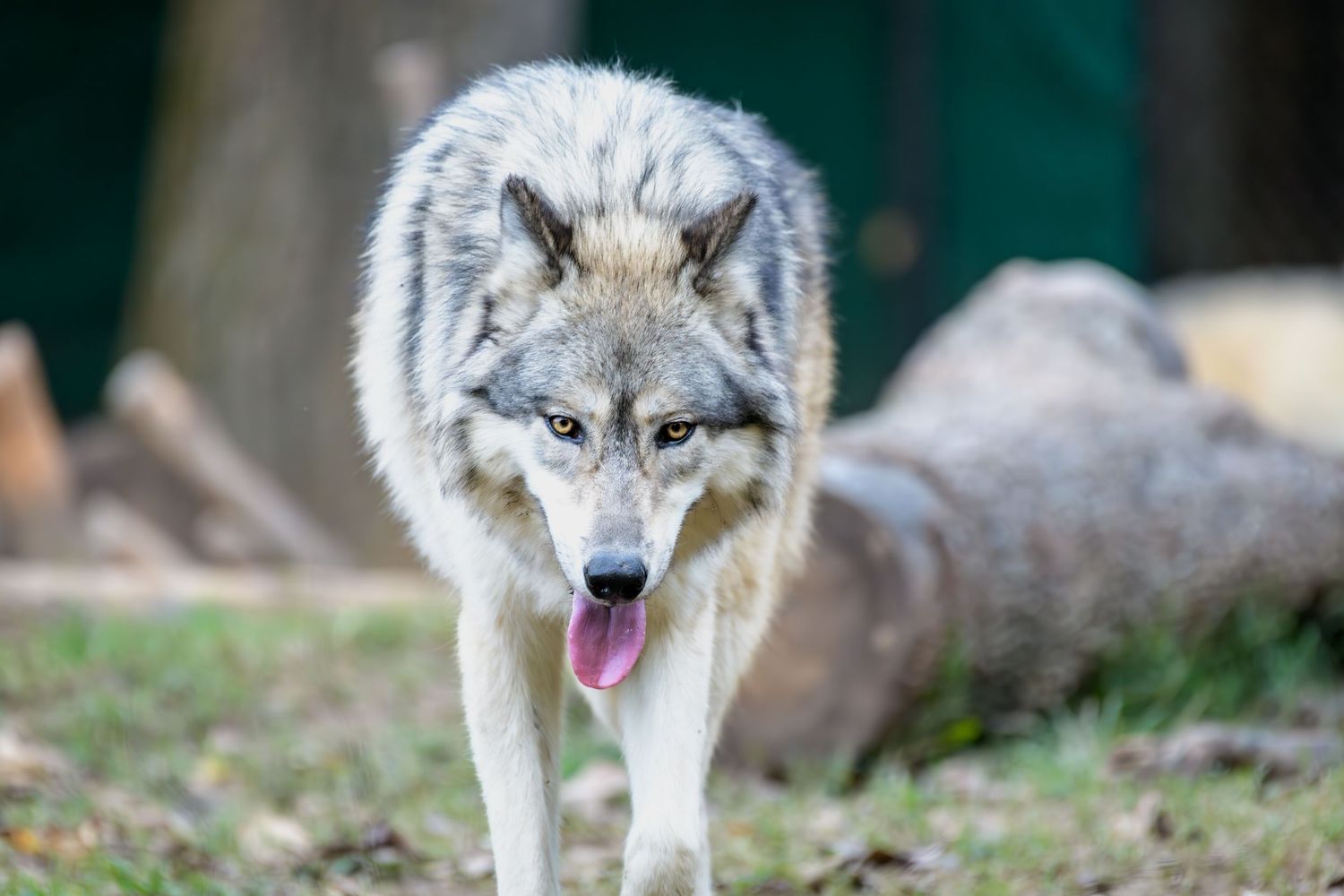
Then the wolf arrives.
Not as the cause of failure. As an audit.
The wolf doesn't create weak decisions. He exposes them.
And every organization eventually meets its version of the wolf. A potential client reviews the images on your website and quietly leaves. A sponsor reviews the recap deck and asks what they actually got for their investment. A partner evaluates whether to renew for next year. A brand team pulls assets for a campaign months after the event ends and finds nothing usable. Leadership asks what the ROI was on "content" — and nobody has a great answer. The hard truth is this: you either have a solid foundation or you don't. You can't decide when the wolf comes knocking, but you can decide whether the house it knocks on is made of straw, sticks, or brick.
Which is exactly why it's worth asking: how is your business's visual infrastructure built?
Pig One is the company that doesn't budget for photography at all — the one leaning on AI-generated or free stock images. The reasoning isn't irrational on its face: a generator is free and instant, and it technically "solves" the problem of an empty space on a website or deck. But it solves the wrong problem. It fills a slot without building trust, because nothing about a synthetic image signals that a real business, with real people and real standards, stands behind it.
Pig Two is the more interesting failure — and the more common one. This is the company that knows photography matters but treats it as a line item to minimize rather than an investment to protect. They hire the lowest bidder, compress the shoot, skip the prep time a photographer would normally spend learning the brand — and skip the budget for the post-production required to produce a viable product. The output looks like an investment happened. There's an invoice. There's a credit in the deck. But the images are generic, because the photographer never had the time or budget to understand what actually makes the business different from anyone else on their schedule that week. This is the gap that's easiest to miss from the outside. It doesn't look like neglect. It looks like a checked box.
Pig Three understands that photography isn't an expense — it's infrastructure.
Every image is a business asset designed to compound in value long after the campaign ends, strengthening sales presentations, websites, PR, recruiting, investor conversations, sponsorships, and future marketing. Here's the part worth sitting with: companies that underinvest in visual quality aren't usually being reckless. They're being short-term rational — optimizing for this quarter's budget over long-term brand equity.
But when the wolf finally arrives, its presence stress-tests infrastructures and exploits the weakest. Yet the outcome wasn't decided in that moment. It was decided months earlier, quietly, when cutting corners felt practical, when "good enough" seemed harmless, and when no one imagined those decisions would ever be tested.
The wolf simply exposes the foundation you chose to build.