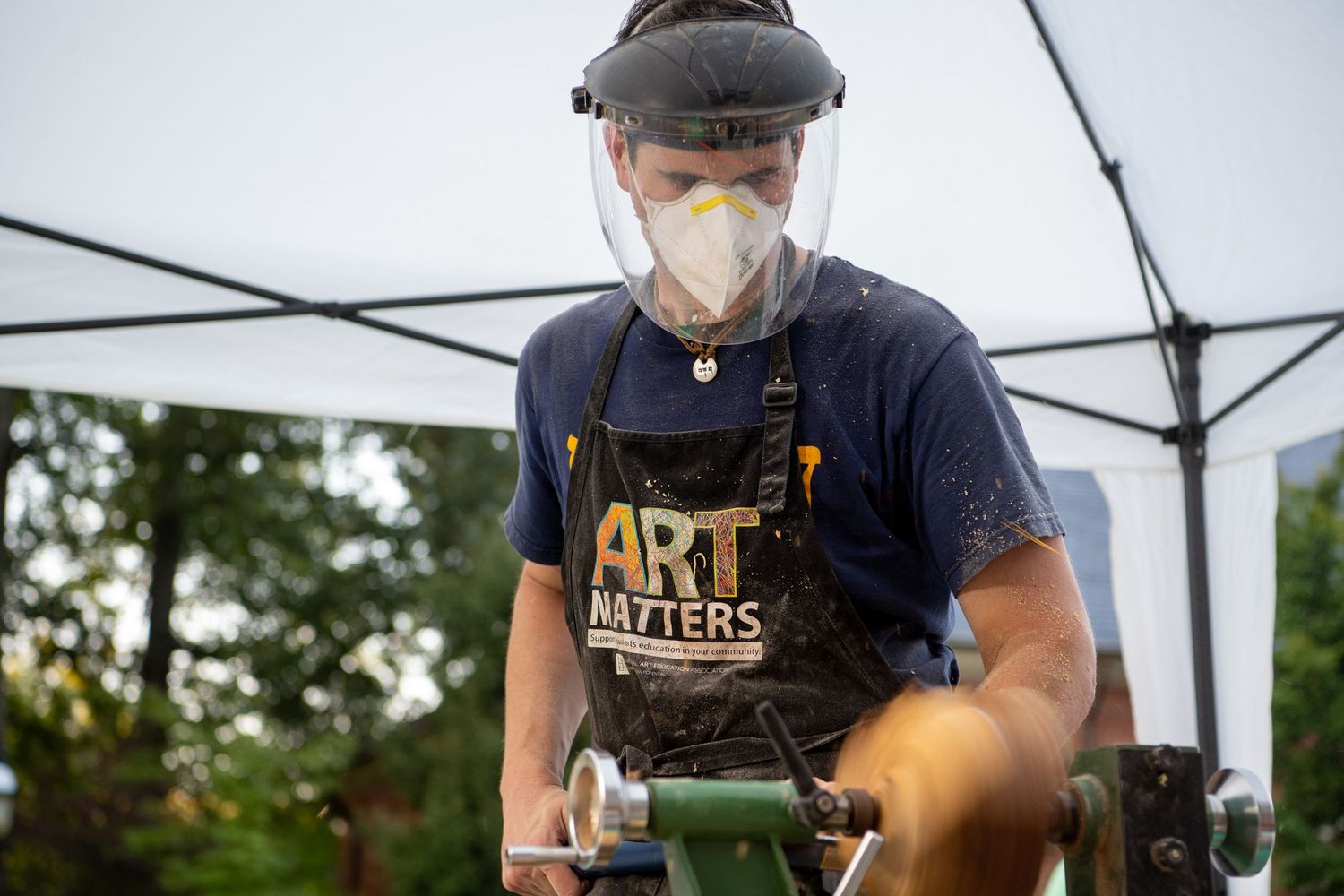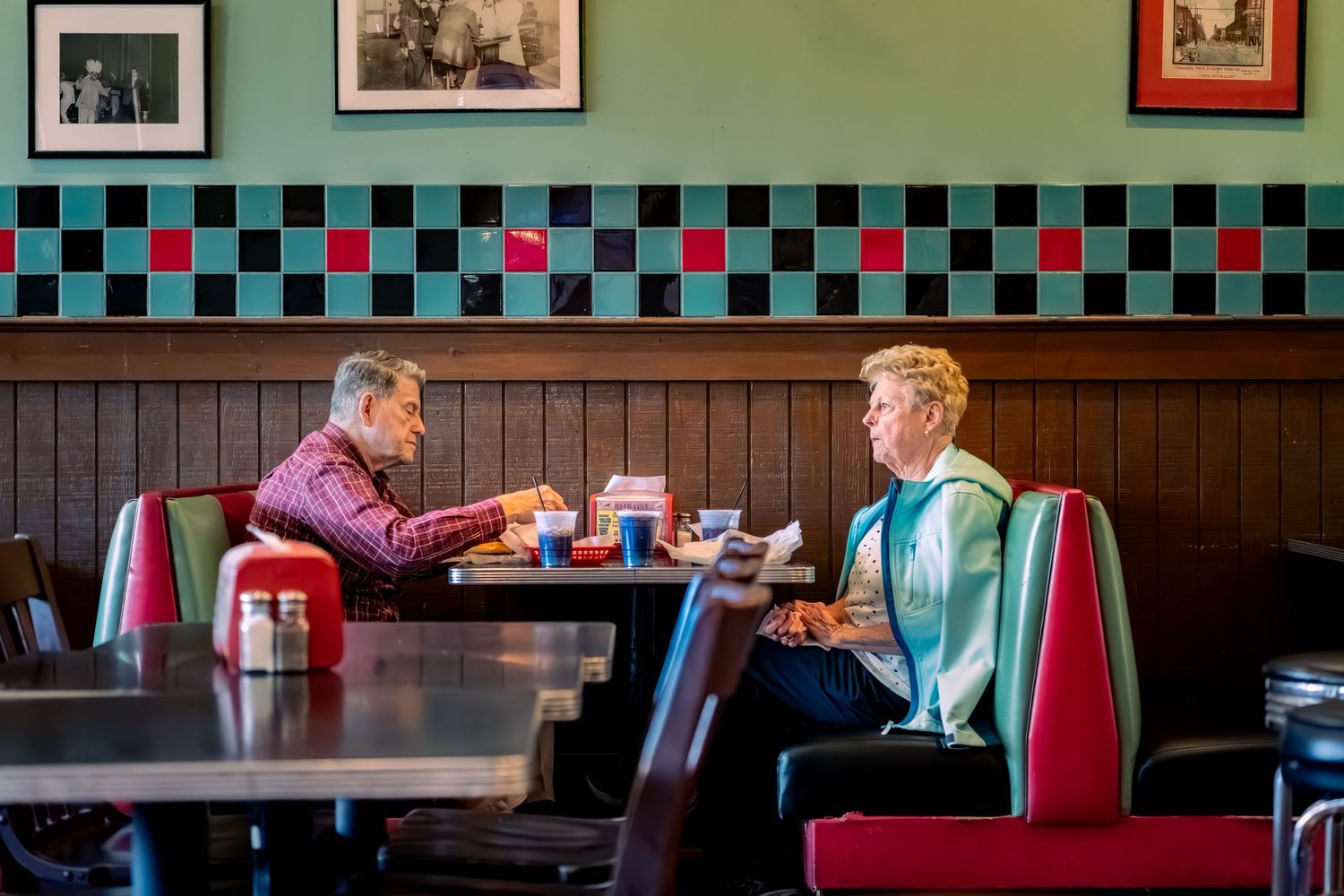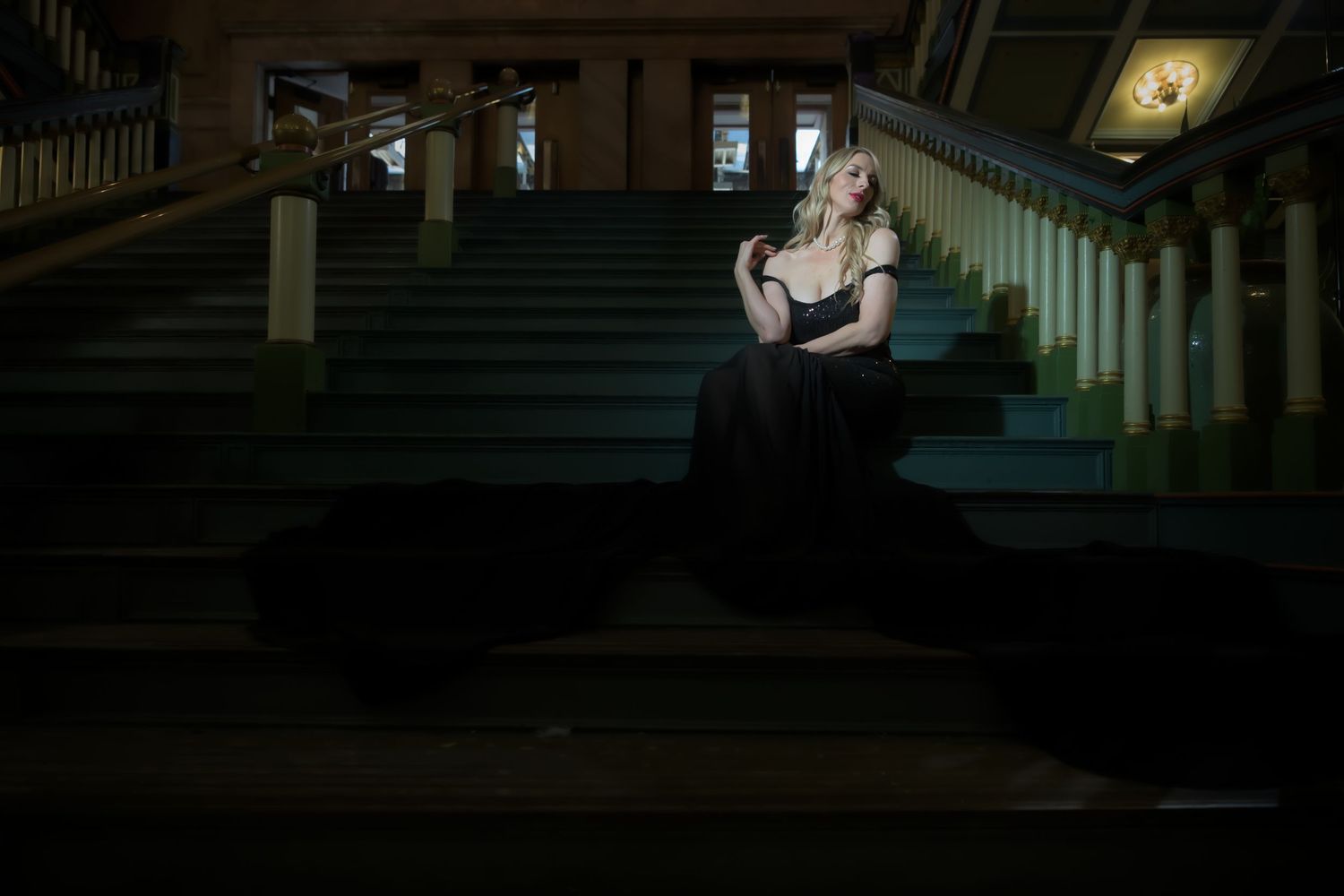
Most people think better gear equals better photos.
It doesn’t.
It can improve image quality, sharpness, dynamic range… sure.
But quality isn’t the same as impact.
You can have the most expensive camera on the market and still create images people scroll past.
Because the problem was never the gear.
It’s how you see.
Think about it like this, fresh ingredients don’t fix a bad recipe.
You can spend more money at the store, but if you don’t know how to combine what’s in front of you, the result is still the same.
Photography works the same way.

Most people see a photo and capture it like this.

But here's a better way to tell that story.
Gear Is a Tool, Not a Shortcut
A better camera gives you more flexibility.
A better lens might give you sharper results or better low-light performance.
But none of that teaches you:
- What to include in the frame
- What to leave out
- Where to position yourself
- When to press the shutter
That’s not gear.
That’s decision-making.
And that’s where most photographers fall short.

This is the shot most people would take, it’s busy and your eyes wander all over the place.
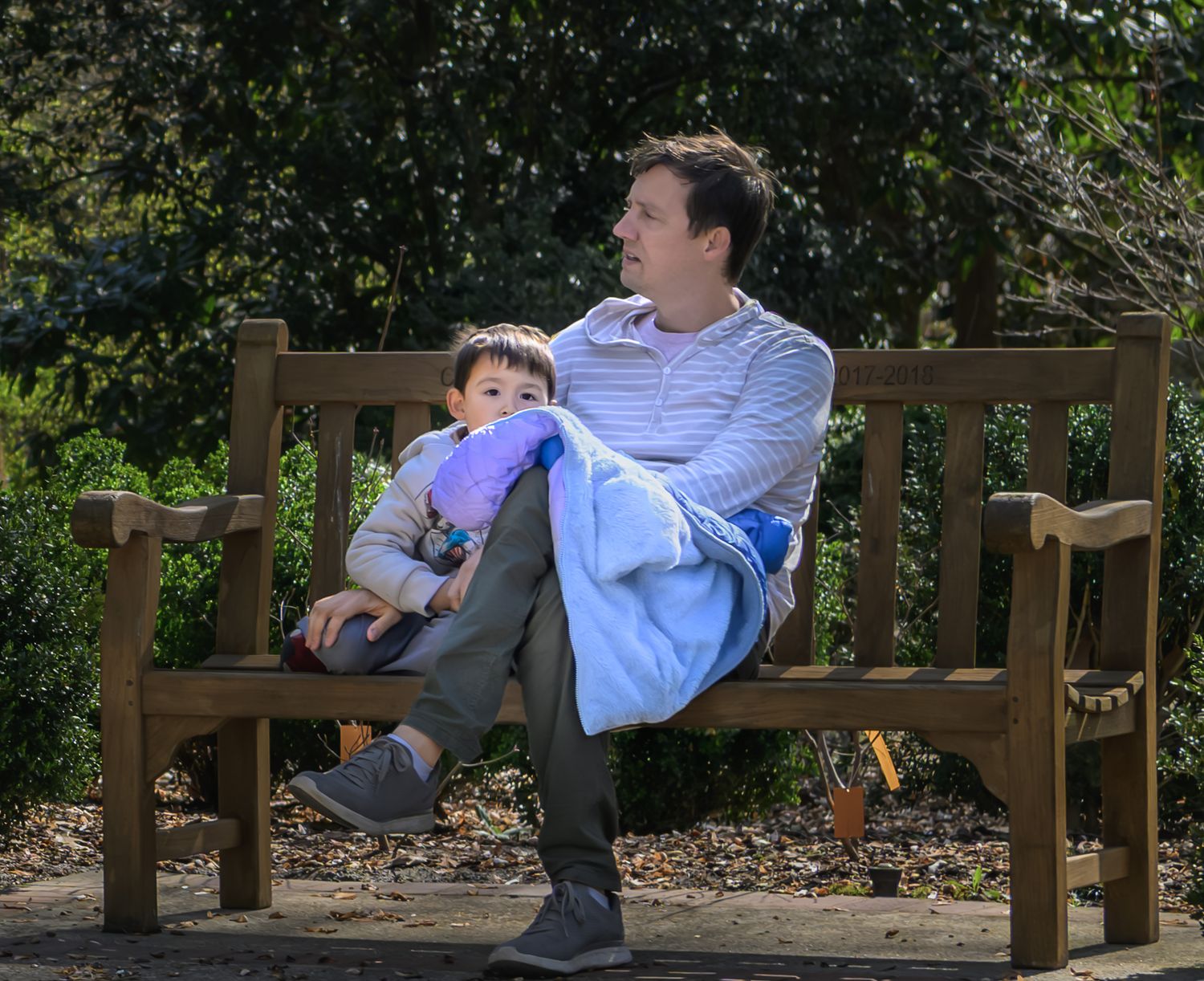
This is more intentional, your eyes are guided toward the child looking at the camera.
Composition Is What People Actually Feel
Before anyone notices your camera, they notice your composition.
Where is the subject placed?
What’s competing for attention?
Is the viewer guided… or confused?
Strong composition does one thing well, it tells the viewer where to look.
Weak composition makes them work for it.
And if they have to work, they scroll.

This is what you would call a tight shot, a very close shot of your subject.

This is a wide shot, you see more of the foreground, the subject is in the midground, and the trees and sky make up the background.

This is wider to include more in the frame. Neither way is right or wrong, they all have a purpose depending on the story you want to tell.
Framing Is How You Control Attention
Framing is intentional. It’s not just pointing a camera.
It’s asking:
- What deserves to be in this image?
- What’s distracting from it?
- How can I simplify this scene?
Sometimes the difference between an average image and a strong one is one step to the left.
Or lowering your angle.
Or waiting two seconds for the moment to align.
That has nothing to do with upgrading your camera.
That’s awareness.

Where do your eyes go when you look at this image?
Most People Upgrade Gear to Avoid Practicing
It feels productive to buy something new.
It’s harder to admit you need to slow down and study your own work.
Look at your last shoot and ask:
- Did I control the background?
- Did I guide the viewer’s eye?
- Did I shoot with intention… or react to what was happening?
Because if the answer isn’t clear, new gear won’t fix it.
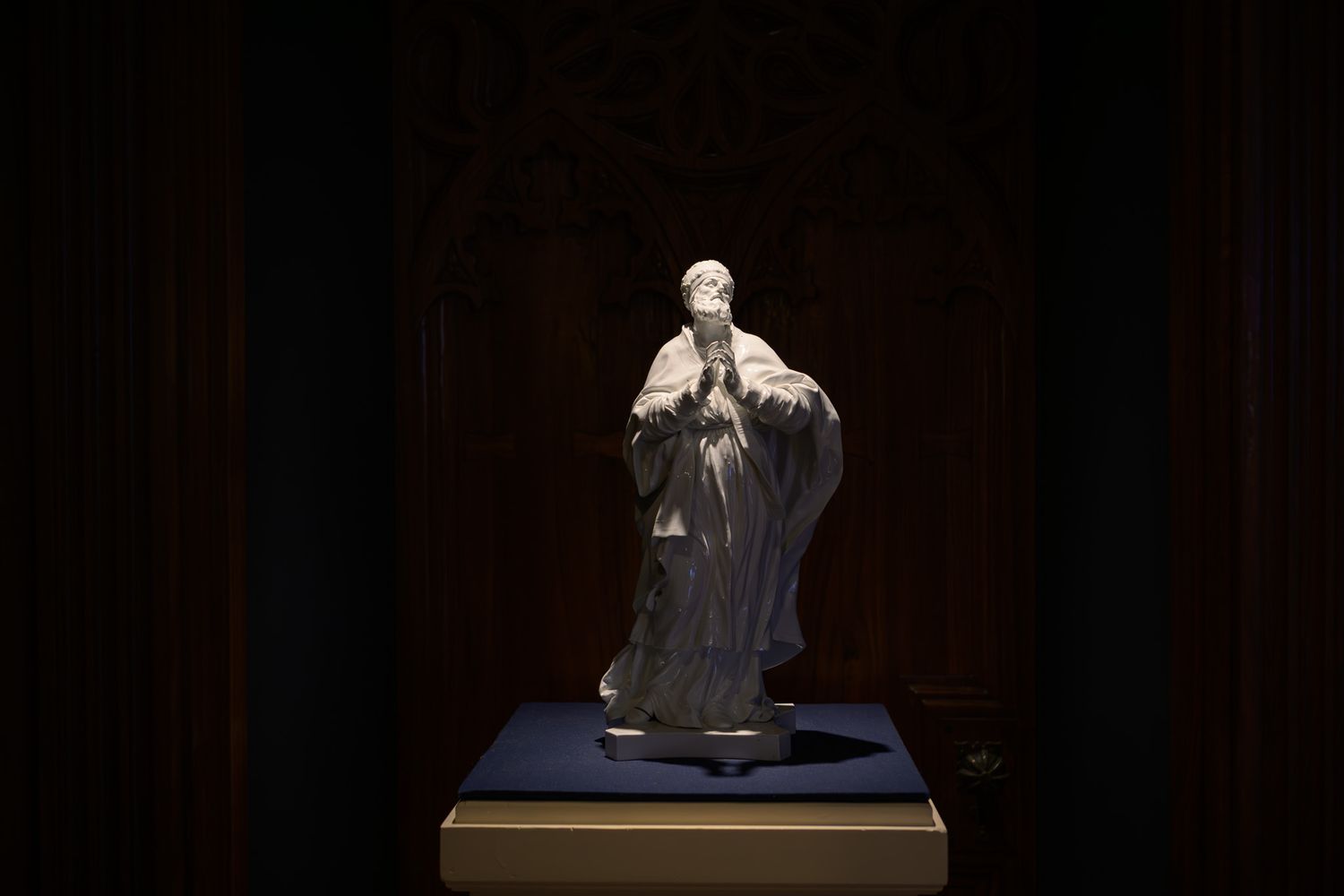
This is landscape, a horizontal layout of the scene you want to capture.
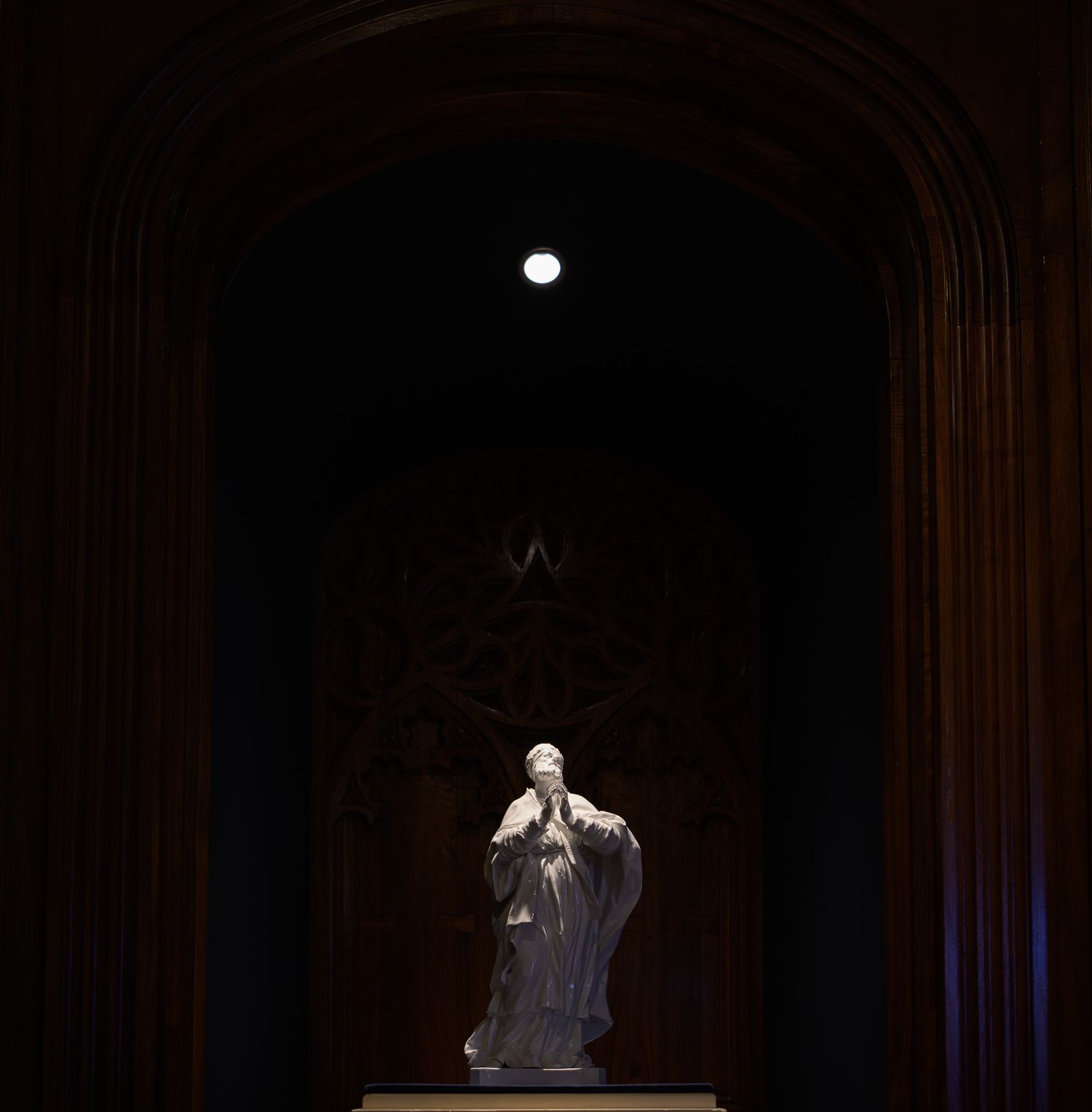
This is a vertical, or portrait orientation, same subject, two different outcomes.
What Actually Works
If you want better images, focus here:
- Position over equipment — where you stand matters more than what you shoot with
- Light over price — understanding light beats owning expensive lenses
- Timing over speed — the right moment will always outperform rapid fire shooting
- Intentional framing over wide coverage — more photos doesn’t mean better photos
Gear can support your vision.
It can’t create one.
The photographers who stand out aren’t the ones with the best equipment.
They’re the ones who understand what they’re trying to say… and remove everything that doesn’t support it.
That’s when your images stop being pictures.
And start becoming assets.
If you're interested in an in-person class designed to help you get the most out of your photography, simply follow my Eventbrite page to stay updated when new classes are posted.