No Kings: When the People Begin to Question Power
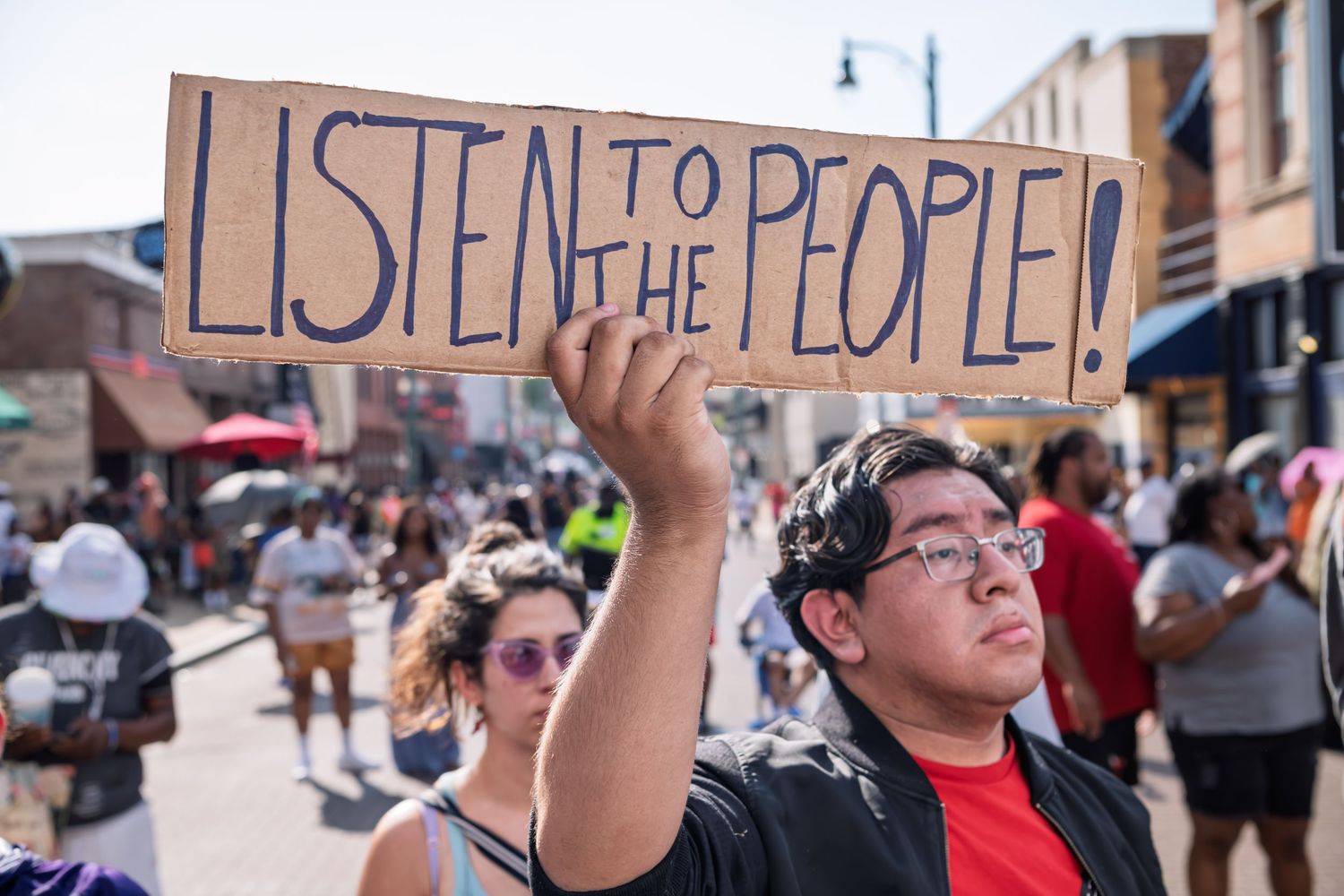
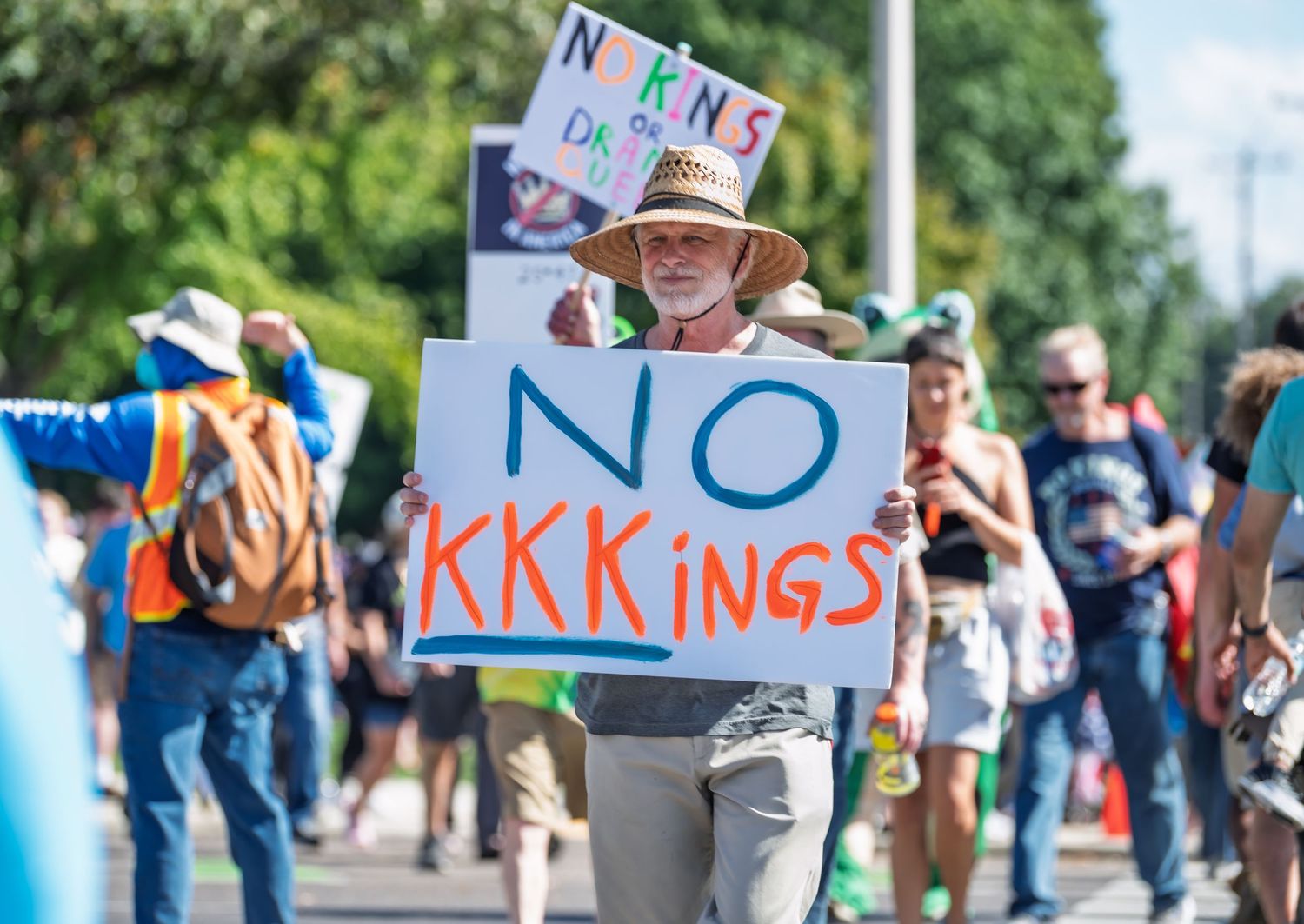
On a cool afternoon in Memphis, a massive crowd—well into the thousands—gathered beneath signs that read “No KKKings” and “I like ICE in my drinks, not in my streets.” The energy felt more like a pep rally, but not one to cheer on the president — rather, to voice collective disapproval for how things are going in the country.
Multiple news outlets were on the ground capturing the moment, alongside photographers, families, activists, podcasters, and elected officials like Justin Pearson and Jerri Green. From the podium to the pavement, the message was unified and clear: enough is enough.
What began as a local rally became a reflection of a national mood — one where Americans are asking a question once reserved for history books: how much power is too much?
A Rally with Many Chapters
The “No Kings” rally wasn’t just a protest; it was a crossroads of frustration, fear, and awakening. Protesters came from every corner of the city — students, activists, clergy, veterans, parents — all united by a shared unease over the sight of federal agents and National Guard troops deployed in American streets. The chants weren’t simply anti-policy; they were existential. When citizens begin questioning whether laws still apply equally — or at all — something foundational is cracking.
The Law That Guards Power
The United States has long wrestled with the delicate balance between security and liberty. The Posse Comitatus Act(1878) was meant to draw a clear line between civilian life and military power, while the Insurrection Act gives the president extraordinary authority to deploy troops in times of crisis. Those laws were designed to be safeguards — rarely used, always scrutinized. Yet in recent years, those boundaries seem to blur. Federal agents have patrolled city blocks once governed solely by local police. Immigration officers have conducted raids that ripple through neighborhoods, leaving behind more fear than safety. And when National Guard troops appear in response to protest, the optics are unmistakable: power flexing at home.
The Echo of History
This isn’t the first time Americans have bristled at the sight of uniforms in their streets. During the 1968 Democratic National Convention in Chicago, anti-war protesters faced the National Guard and police in what would later be described as a “police riot.” The Kent State shootings in 1970 burned into memory the danger of blurred lines between military force and civilian dissent. Each time, the nation faced the same moral calculus: When does protection become provocation? And each time, the reckoning arrived too late.
The Signs Say It All
At the Memphis rally, one sign stood out: “Never forget he didn’t call the National Guard on Jan 6.” In ten words, it captured the hypocrisy haunting today’s politics — the selective enforcement of law depending on who stands on which side of the line. When armed mobs stormed the U.S. Capitol, restraint was preached. When citizens march for accountability, enforcement is swift. The crowd’s message was clear: if law is applied unevenly, it ceases to be law — it becomes leverage.
A Tipping Point in Plain Sight
Every generation faces a moment when civic trust begins to thin. Some call it apathy, others call it awakening. Either way, it’s the same pattern: institutions stretch their authority, people grow wary, and the social contract begins to tremble. The deployment of federal agents and militarized responses to domestic protest may seem like isolated events — but collectively, they paint a portrait of governance that’s forgetting its own limits. That’s what the “No Kings” movement is warning against. Not just a man or a party — but the temptation of unchecked authority itself.
When Power Forgets Its Place
“Power tends to corrupt, and absolute power corrupts absolutely.” Lord Acton’s warning feels less like a history lesson and more like a headline. Democracy was never meant to be tidy, but it was meant to be accountable. The premise is simple: no one sits above the law — not presidents, not agencies, not those who claim to protect. When protesters chant “No Kings,” they’re not rejecting government; they’re reclaiming ownership of it. They’re reminding those in charge that leadership without limits is monarchy by another name.
History Is Watching
It’s tempting to see rallies like this as noise — temporary, emotional, fleeting. But history tells us otherwise. The civil-rights marches of the 1960s began as small, defiant acts in the South. The anti-war protests of the Vietnam era started as local outcries.
Each movement began with the same realization: silence protects the status quo.
Whether Memphis becomes a flashpoint or a footnote will depend on what happens next — in city halls, courtrooms, and ballot boxes. Because what’s unfolding across America right now isn’t just about policy — it’s about identity. About who we are when power starts rewriting the rules.
The Last Word
We are living in a time that will be carved into history — not for the noise of the moment, but for the questions it forced us to ask.
Who decides when laws matter?
Who guards the guards?
And at what point does a democracy stop functioning as one?
Until those questions are answered, rallies like “No Kings” will continue echoing across the nation — not as rebellion, but as a warning:
There are no kings in a democracy. There are only citizens who remember that.